



Choosing the right felt material is essential for performance, durability, and cost efficiency. At Brand Felt Group, we manufacture both wool and synthetic felts, and here’s a clear breakdown of how they differ.
Material & Structure
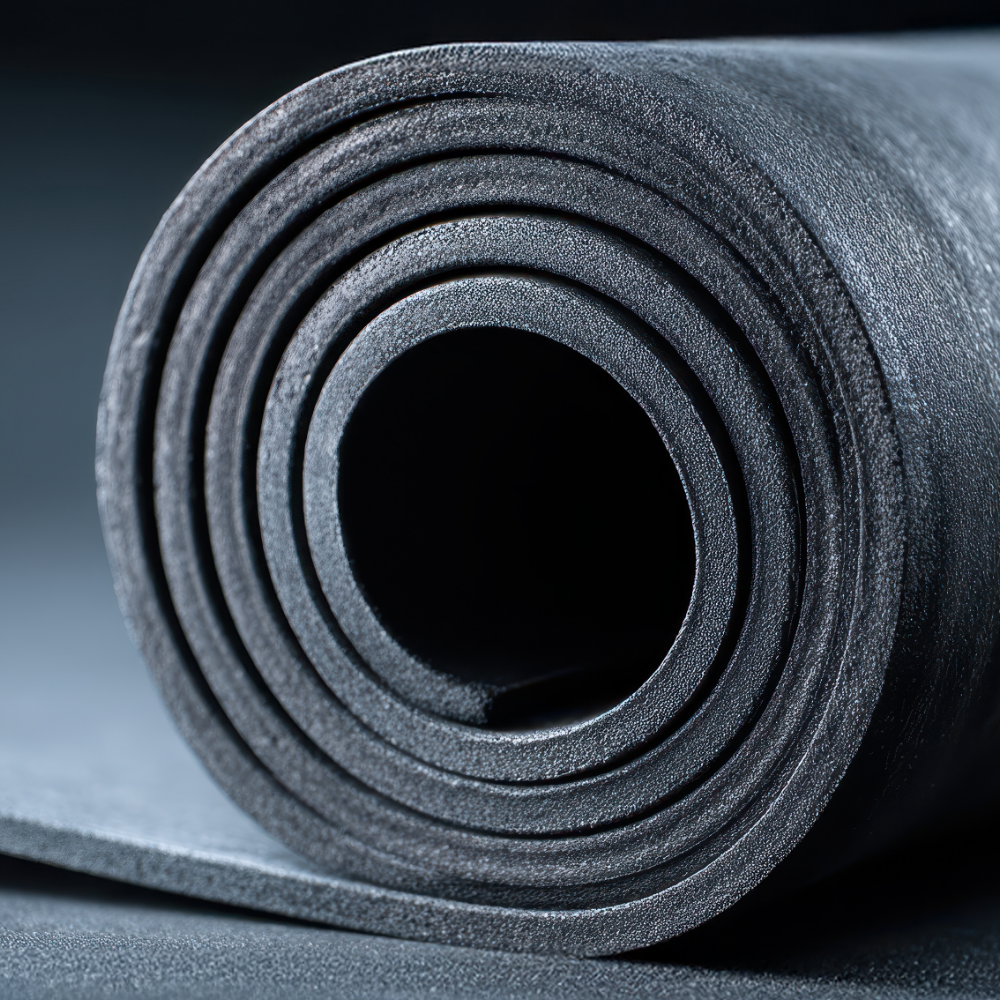
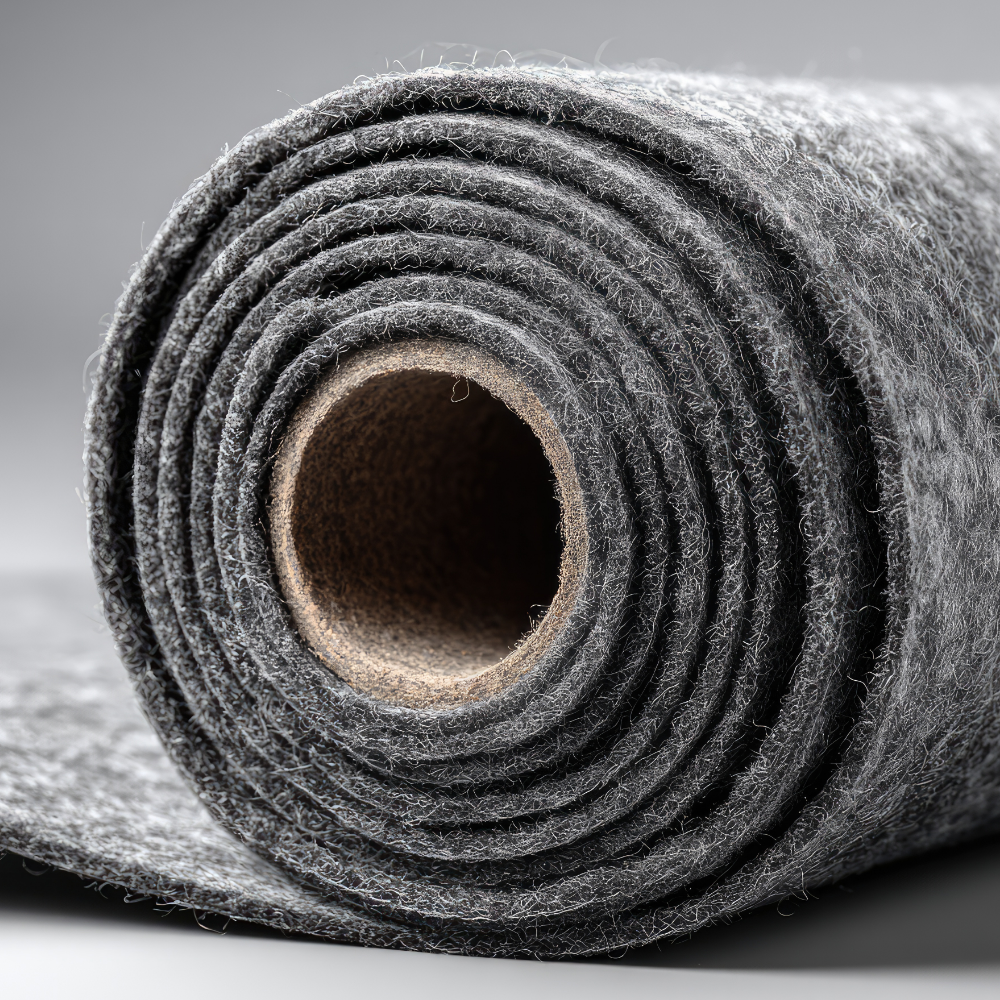
Wool felt is made from natural wool fibers that interlock under heat and pressure, giving it strength, resilience, and natural lubrication. Synthetic felt is produced from man-made fibers like polyester or polypropylene and can be bonded in various ways.
Performance Differences
Durability: Wool withstands abrasion, compression, and friction better than synthetic, making it ideal for polishing, gasketing, and vibration control.
Heat Resistance: Wool is naturally flame-resistant and does not melt; synthetic fibers can soften or deform under high heat.
Moisture Handling: Wool absorbs moisture but maintains structure. Synthetic felt resists water but may compress permanently depending on fiber type.
Environmental & Cost Considerations
Wool is renewable, biodegradable, and long-lasting. Synthetic felt is more budget-friendly upfront and suits light-duty or disposable applications.
Typical Uses
Wool: Polishing wheels, gaskets, machinery components, vibration dampening, musical instruments.
Synthetic: Packaging, light filtration, insulation, cushioning, lower-stress applications.
Which Should You Choose?
If your application demands durability, heat resistance, or precise performance, wool felt is the superior choice. For lower-cost, general-purpose uses, synthetic felt may be sufficient.
Brand Felt Group can help you select the right felt for your specific requirements. We manufacture custom densities, thicknesses, and die-cut options to suit your application.