



When your project demands reliable performance, repeatability, and quality, you want materials engineered to precise industry-recognized standards. That’s where SAE-graded felt comes into play.
What Is SAE Felt?
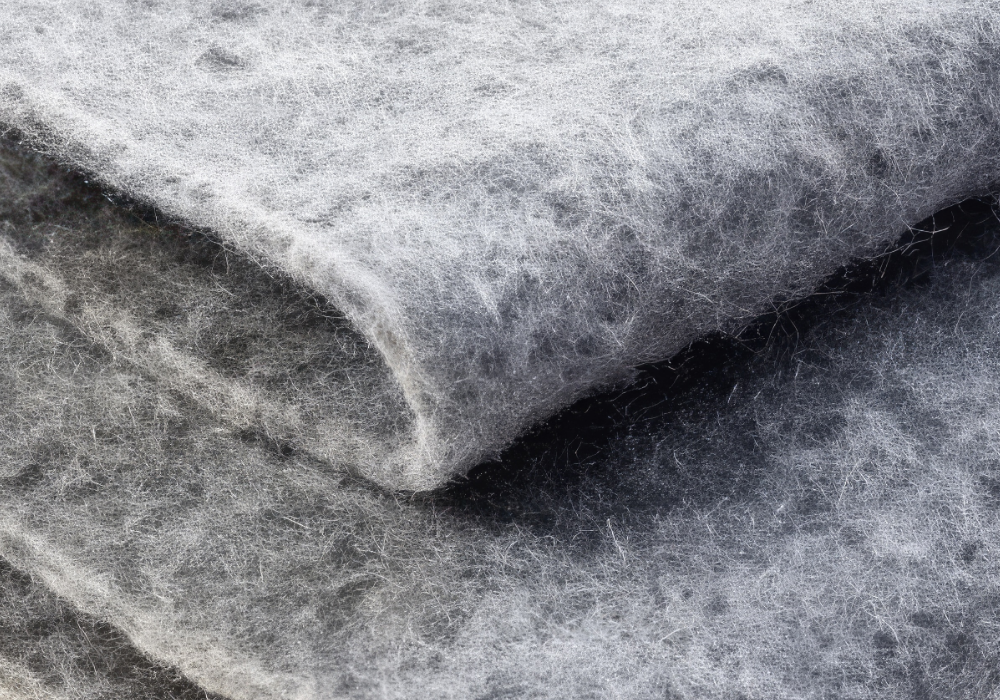
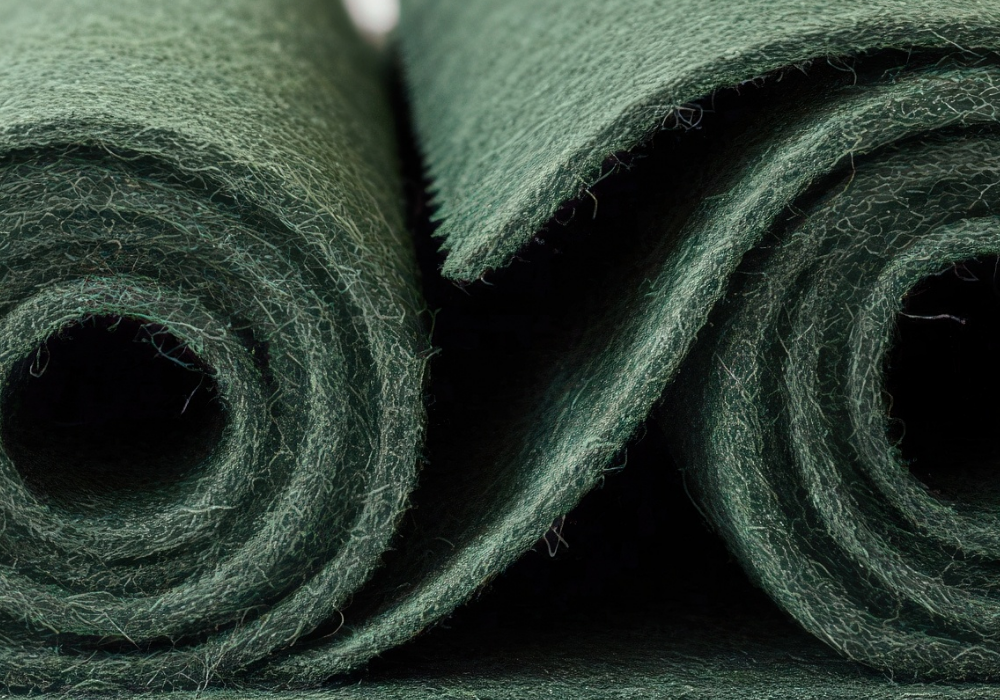
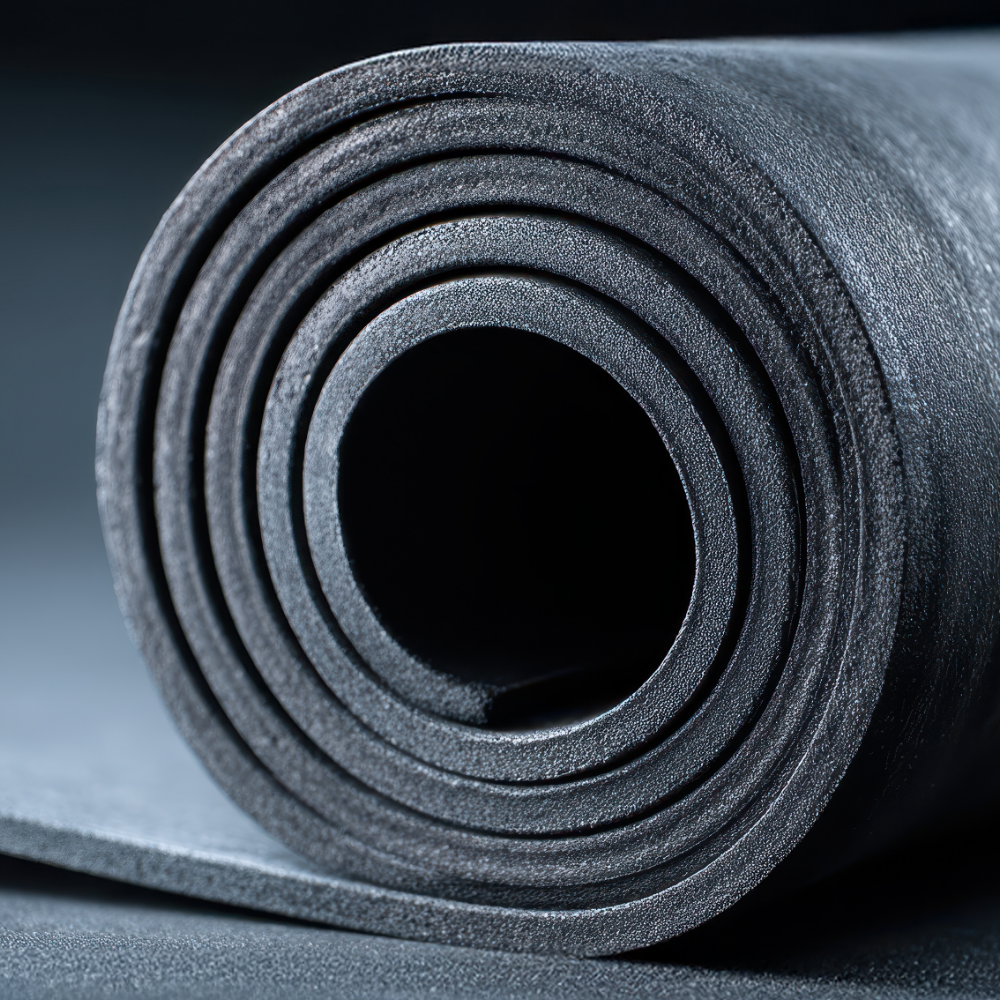
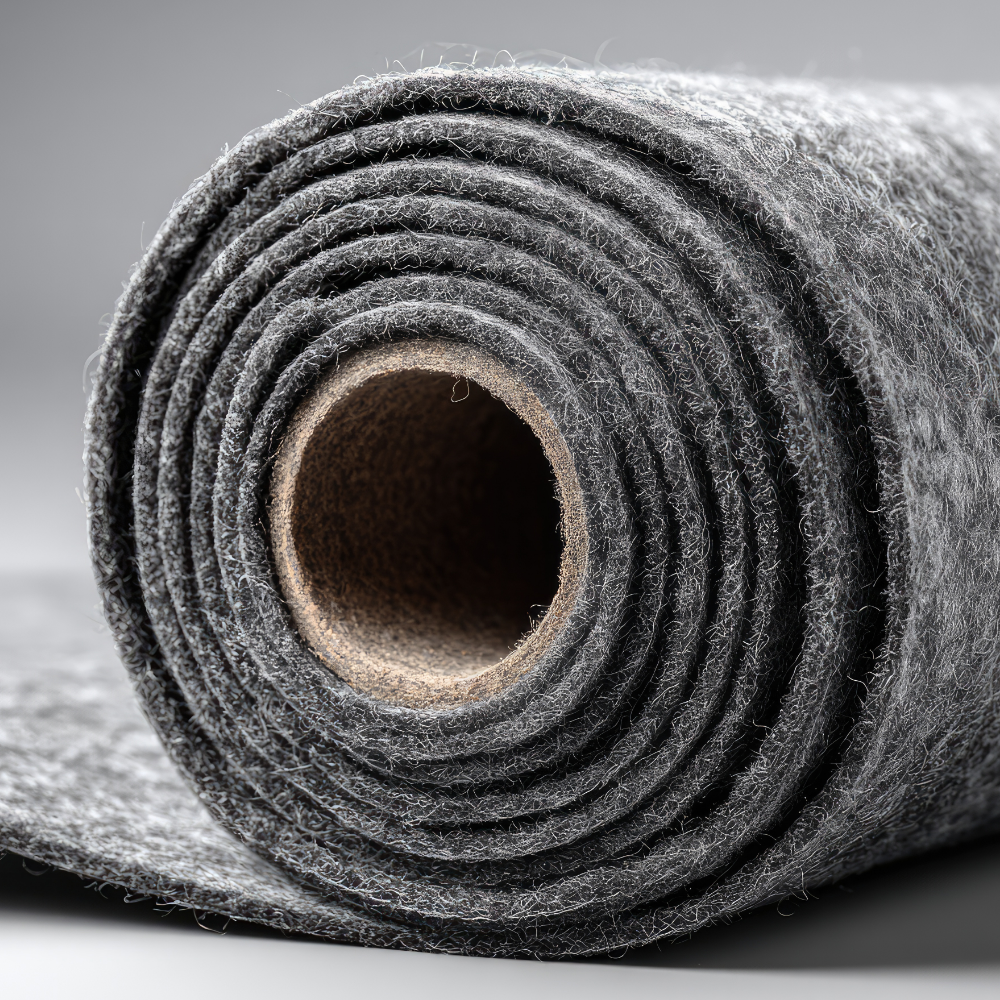
SAE felt (also called industrial felt) refers to non-woven wool felt manufactured under strict guidelines for wool content, density, thickness, and weight. Originally “SAE” was coined by the SAE International (formerly the Society of Automotive Engineers), though today the grading system is used across many industries beyond automotive.
Each felt is assigned an SAE grade (e.g. F-1 to F-26) that reflects a combination of wool percentage, density, and tolerance for manufacturing dimensions.
Why Standards Matter
Consistency and Predictability:
Because each grade is defined by objective parameters, you get uniform performance across batches. You know exactly what to expect in terms of hardness, resilience, absorbency, and durability.
Durability under Stress:
High-density SAE felts (e.g. F-1, F-3, F-50) are built to withstand impact, abrasion, compression, pressure, and repeated cycles of use. That makes them ideal for washers, oil wicks, seals, vibration mounts, and polishing blocks.
Tailored to Application Needs:
Lighter, softer grades (e.g. F-10, F-15, F-26) are better suited for padding, sound-absorption, packing, or insulation applications where heavy-duty mechanical performance is not required.
Material Integrity and Longevity:
Wool’s natural fiber structure helps SAE felts maintain density and resist fraying, wear, and deformation under load, particularly important in demanding mechanical or hydraulic contexts.
Clear Specification for Engineers
Because SAE grades are standardized, spec sheets, maintenance plans, and quality audits become much simpler. There’s less guesswork when everyone — suppliers, engineers, maintenance crews — speaks the same “grade language.”
Common Industrial Applications of SAE Felt
From heavy machinery to precision equipment, SAE felt finds use in a variety of settings:
- Oil and lubrication wicks or seals in rotating machinery
- Washers, dust shields, and bearing washers
- Vibration-dampening mounts, anti-vibration pads
- Gaskets, seals, and packing material
- Polishing blocks or pads for finishing processes
- Acoustic or sound-absorbing panels
- Cushioning or padding for heavy-duty equipment or packaging
At Brand Felt Group, we manufacture SAE felt to ensure our industrial customers receive exactly what they need: precise density, consistent wool content, and reliable physical properties. Whether your application demands tough, high-density felt for heavy lubrication washers and vibration damping, or softer felt for cushioning or noise reduction, we can supply the appropriate SAE grade.
Because the SAE standard is defined and well-understood, you can confidently specify the grade in your engineering drawings, maintenance documentation, or procurement orders, ensuring repeatability across orders and long-term consistency across production batches.